


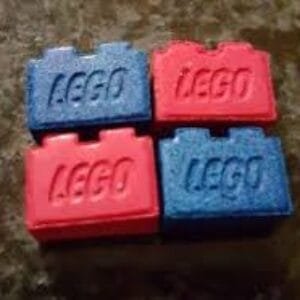
LEGO MDMA Tablets – 259mg High-Dose Ecstasy (50 Count)
$235.00
50 colorful LEGO-shaped tablets infused with 259mg of high-purity MDMA each. Bold, euphoric experience for experienced users. Licensed & discreetly shipped.
LEGO MDMA Pill: Essential ID, Risks & Testing Guide
A LEGO MDMA pill is an illicit pressed tablet shaped or stamped to resemble a LEGO-style building brick and commonly sold as ecstasy or Molly. The design cannot confirm that a tablet contains MDMA, establish its strength, or indicate its purity or safety. Two visually identical pills can contain different substances, so appearance and historical pill reports cannot verify an individual tablet.
The LEGO brick shape functions as a novelty branding choice in the illicit drug market, not as a quality or content indicator. Anyone with a pill press and the appropriate die can produce tablets that look identical to previously reported ones. LEGO-shaped pills have appeared in yellow, pink, blue, green, and multicolored variants and have been documented in drug-checking databases across multiple countries with substantially different chemical profiles between batches.
Quick answer: A LEGO MDMA pill is an illicit tablet shaped or stamped like a toy building brick and commonly represented as ecstasy or Molly. LEGO-style branding does not identify its chemicals, purity, or strength. Two visually identical pills can contain different substances, so appearance and historical pill reports cannot verify an individual tablet.
LEGO MDMA Pill: Quick Facts
- LEGO ecstasy is a pill design, not a standardized product with consistent contents or potency.
- Color, shape, logo, and novelty design cannot establish what a specific tablet contains.
- Pill reports from testing databases apply only to the individual sample that was analyzed, not to other tablets with the same appearance.
- Reagent tests provide presumptive information about chemical classes but cannot confirm identity, purity, dose, or safety.
- Unconsciousness, seizures, chest pain, severe breathing difficulty, extreme overheating, or collapse require immediate emergency medical care. Call 911.
LEGO Ecstasy Pill Identification
Why Visual Identification Is Unreliable
Identifying a pill by its appearance is meaningful for regulated pharmaceuticals, which carry legally enforceable content and manufacturing standards. Illicit pressed tablets carry none of those standards. The color, shape, molded design, weight, and surface texture of a LEGO ecstasy pill reflect the choices of whoever pressed that particular batch, not any standardized formula.
Illicit pill presses and die sets are commercially available at relatively low cost. Multiple independent producers can use the same novelty brick design simultaneously in different locations with entirely different contents. Two tablets that appear physically identical can differ in their active substances, their ratios, and their total dosage. Yellow, pink, blue, green, and multicolored LEGO-style tablets share these limitations equally. Tablet dyes and color choices are physical characteristics rather than chemical identifiers.
What Pill Reports Can and Cannot Tell You
Direct answer: A yellow LEGO pill report cannot identify another yellow LEGO tablet. Laboratory reports establish what was found in the submitted sample only. Matching color, shape, dimensions, or logo cannot prove another pill came from the same batch or contains the same substances.
Online pill-testing databases such as DrugsData.org publish laboratory-verified analyses of submitted drug samples. DrugsData, operated by the Erowid Center, uses validated analytical methods including gas chromatography-mass spectrometry. These reports are accurate records of what specific samples contained at the time of analysis. They cannot be generalized to other tablets sharing the same branding, color, or shape.
A DanceSafe or DrugsData LEGO pill report confirming MDMA in a previous submission does not mean another tablet with the same appearance came from the same source, batch, or production run. Treating prior reports as proof of current contents is a documented source of serious harm.
LEGO Pill Reports by Color: Why Yellow, Pink, and Multicolored Results Differ
Yellow LEGO pill reports, pink LEGO ecstasy analyses, and results from multicolored variants have all appeared in drug-checking databases. Their chemical profiles differ not because color indicates chemistry but because different producers independently adopt the same novelty design. A yellow tablet from one producer and a yellow tablet from another may contain entirely different substances at entirely different doses.
Color-based assumptions are particularly hazardous when users encounter a tablet whose color matches a previously reported result. The match is cosmetic. No pill color corresponds to a specific formulation, potency level, or degree of purity.
LEGO Ecstasy Pill Contents and Adulterants
What is in a LEGO ecstasy pill? There is no standard formula. A tablet sold as a LEGO MDMA pill may contain MDMA, another psychoactive substance, a mixture, or unexpected ingredients. Laboratory results from one visually similar pill cannot be generalized to another batch.
When a LEGO pill does contain MDMA, the active compound is 3,4-methylenedioxymethamphetamine, a substituted amphetamine with stimulant and entactogenic properties. MDMA is classified as a Schedule I controlled substance in the United States under the Controlled Substances Act.
Independent laboratory testing of ecstasy-branded tablets consistently finds substances beyond MDMA, either mixed with it or substituted entirely. The specific substances identified in any sample depend on time, location, and the particular supply chain involved. Drug market composition changes rapidly, and published testing data from services such as DrugsData.org and surveillance reports from the European Monitoring Centre for Drugs and Drug Addiction document the following categories of substances in ecstasy-branded tablets.
Synthetic cathinones such as eutylone, pentylone, methylone, and mephedrone are structurally related stimulants that produce broadly similar but pharmacologically distinct effects compared to MDMA. Their presence in tablets sold as ecstasy varies by region and time period. Current local drug-checking data provides more relevant information than historical generalizations about prevalence.
PMA and PMMA (paramethoxyamphetamine and paramethoxymethamphetamine) are substituted amphetamines with a narrower margin between an active and a toxic dose compared with MDMA. They have been linked to fatal overdoses in ecstasy-branded tablets across multiple countries. Toxicological case series published in journals including Clinical Toxicology have documented fatalities associated with PMA and PMMA exposure, often involving severe hyperthermia.
Methamphetamine has been detected in some tablets sold as MDMA. Its pharmacological profile and risk pattern differ meaningfully from MDMA, with greater cardiovascular stimulation and longer duration of action.
Caffeine and tablet binders may occur as cutting or bulking agents alongside active substances or independently.
Novel psychoactive substances of various classes also appear in tested samples, sometimes in combinations that are difficult to characterize without laboratory analysis.
Ecstasy-market testing has documented MDMA as well as various substitutes and mixtures, including synthetic cathinones and other stimulants. Fentanyl has been identified in some non-opioid drug samples, but prevalence varies substantially by location, sampling method, and time period. Readers should not interpret broad dataset summaries as evidence that any specific substance is routinely present in LEGO-branded pills.
LEGO Pill Fentanyl Risk: Can LEGO Pills Contain Fentanyl?
You cannot tell whether a LEGO ecstasy pill contains fentanyl from its appearance. Fentanyl has been detected in some non-opioid drug samples, but prevalence varies by location and surveillance method. Fentanyl-specific screening can reduce uncertainty. A negative result does not establish that an unknown pill is safe.
Fentanyl contamination of the broader drug supply is a documented public health concern. The DEA and CDC have both identified illicit pressed pill contamination as a contributor to overdose deaths. DEA warnings have most prominently focused on counterfeit pharmaceutical lookalikes designed to resemble opioid or benzodiazepine medications. Evidence for fentanyl in ecstasy-specific samples is less consistent, and prevalence estimates vary substantially by geography and sampling methodology.
This distinction matters because overstating fentanyl prevalence in the ecstasy supply can undermine credible harm-reduction communication, while understating the risk can leave people unprepared. The appropriate response to this uncertainty is fentanyl-specific screening rather than assumption in either direction.
Can a LEGO Pill Fentanyl Test Prove a Tablet Is Fentanyl-Free?
No fentanyl test strip can guarantee that a pill is fentanyl-free. Fentanyl test strips were originally developed for urine testing and have been studied for use in drug-sample screening. Research published in the International Journal of Drug Policy found that fentanyl test strips detected fentanyl contamination in drug samples when used with an appropriate dilution procedure. Strip performance varies by manufacturer, the specific fentanyl analog present, sample concentration, and testing procedure. A negative result reduces but does not eliminate the possibility of fentanyl exposure. A positive result is a clear warning that warrants treating the substance as unsafe.
Fentanyl test strips are legal in most U.S. states. Current legal status by state can be confirmed through the National Alliance of State and Territorial AIDS Directors.
LEGO Pill Dosage and Strength
Direct answer: There is no standard LEGO pill dosage or MDMA strength. Color, size, weight, logo, and reagent reactions cannot quantify MDMA. Only an appropriate quantitative laboratory analysis can determine how much of an identified compound is present in a tested sample.
No consistent formula exists across batches because multiple independent producers use the same or similar novelty molds. Tablets analyzed in drug-checking databases have shown MDMA content ranging from negligible amounts to doses substantially above what a user might anticipate.
High-dose MDMA tablets have become more common in European markets over the past decade. Surveillance data from the European Monitoring Centre for Drugs and Drug Addiction has documented rising average tablet MDMA content, increasing the risk of unintentional high-dose exposure for people who estimate potency from a tablet’s physical appearance or historical reports.
Yellow, pink, blue, green, and multicolored LEGO-style variants are subject to the same uncertainty. Potency cannot be estimated from any physical characteristic or from the result of a presumptive reagent test.
How to Test a LEGO MDMA Pill
Reagent testing and fentanyl screening provide more information than visual inspection alone, but each method has specific and important limitations. Understanding what these tests can and cannot establish is essential to interpreting results accurately.
| Method | What it can indicate | Key limitations |
|---|---|---|
| Visual inspection | Color, shape, logo, size | Cannot indicate contents, dose, or safety |
| Pill report databases | Results from one analyzed sample | Does not apply to other tablets with the same appearance |
| Reagent tests (Marquis, Mecke, Mandelin, Simon’s) | Presence of certain chemical classes | Presumptive only; cannot confirm purity, dose, or safety; cannot reliably exclude all adulterants |
| Fentanyl test strips | Presence of fentanyl or certain analogs | Performance varies by strip and analog; negative result does not guarantee fentanyl absence |
| Laboratory analysis (GC/MS, HPLC) | Substance identity; amount when quantitative | Most reliable available method outside forensic settings; requires sample submission |
Reagent Testing for LEGO Ecstasy Pills
Reagent tests produce colorimetric reactions when specific chemical families are present. Each reagent is selective for different compound classes, and using multiple reagents together generates more information than any single test alone. Combining reagents increases available information without making a screen definitive. These tests cannot confirm purity, establish dosage, or prove a sample is safe.
Direct answer for purity: No home reagent test can establish LEGO pill purity. Reagents provide presumptive information about certain chemical reactions but cannot quantify MDMA or exclude every mixture and contaminant. A dark reaction associated with MDMA should never be interpreted as a percentage-purity result.
DanceSafe, a nonprofit harm-reduction organization, provides reagent testing kits, fentanyl test strips, educational materials, and event-based services for the recreational drug-using community.
Marquis reagent is typically the first test applied to a suspected MDMA sample. In the presence of MDMA, Marquis produces a color change that generally progresses toward purple or black. Exact color development depends on reagent freshness, concentration, timing, and the presence of other substances in the sample. Always verify expected color reactions against the current reference chart provided by your specific reagent manufacturer, as general descriptions may differ from a particular product’s performance.
Mecke reagent produces a blue-green to dark blue reaction with MDMA and also reacts with certain opioids, providing additional information alongside Marquis results.
Mandelin reagent reacts with ketamine and amphetamines including methamphetamine, and can help identify substitutions not reliably distinguished by Marquis alone.
Simon’s reagent differentiates secondary amines from primary amines. MDMA, being a secondary amine, produces a blue color with Simon’s reagent, while MDA, a primary amine, does not. This distinction helps when the Marquis result is ambiguous between the two compounds.
Can reagent testing confirm MDMA in a LEGO pill? No. Color reagents provide presumptive information about chemical classes but cannot establish purity, dose, safety, or reliably rule out every adulterant. A reaction consistent with MDMA should not be interpreted as proof that a pill contains only MDMA or that it is safe.
GC/MS vs. HPLC vs. Reagent Testing
These methods differ in what they can establish and how they should be used together.
Gas chromatography-mass spectrometry (GC/MS) separates and identifies compounds by their molecular fragmentation patterns. It is widely regarded as the reference standard for substance identification in forensic and clinical settings. When used quantitatively, GC/MS can measure how much of a given substance is present.
High-performance liquid chromatography (HPLC) is particularly suited to compounds that are thermally unstable or less volatile, making it complementary to GC/MS for certain substances. Quantitative HPLC can also measure substance concentrations.
Reagent tests such as Marquis, Mecke, Mandelin, and Simon’s produce presumptive colorimetric reactions that indicate the possible presence of chemical classes. They are accessible, inexpensive, and useful as a first screening step but cannot substitute for laboratory confirmation.
DrugsData.org uses laboratory methods including GC/MS to analyze submitted samples and publishes results with identified substances and, where measured, quantities.
What If Reagent, Fentanyl Strip, and Pill Report Results Disagree?
Direct answer: If different drug-checking methods produce conflicting results, treat the substance as unresolved rather than choosing the most reassuring result. Different tools detect different compounds and have different limitations. Laboratory analysis provides stronger identification than visual matching or color reagents.
Conflicting results are informative in themselves. A fentanyl strip that returns a positive result while a Marquis test shows a reaction consistent with MDMA indicates that both substances may be present, or that the fentanyl strip is detecting an analog the Marquis test cannot characterize. A pill report that contradicts a reagent result suggests the tablet may not have come from the same batch as the analyzed sample. In each case, the appropriate response is to treat the sample’s composition as unverified and, where possible, submit it for laboratory analysis.
LEGO Ecstasy Side Effects, Toxicity, and Overdose Risk
MDMA Pharmacology and Short-Term Effects
When a LEGO pill contains MDMA, it produces effects through the release of serotonin, dopamine, and norepinephrine, along with inhibition of their reuptake. The National Institute on Drug Abuse describes short-term MDMA effects as including increased energy, elevated mood, emotional closeness, distorted sensory and time perception, and heightened empathy. Physical effects include elevated heart rate, blood pressure, and body temperature.
LEGO brick Molly and similar novelty-branded ecstasy products present additional uncertainty beyond MDMA pharmacology alone, because the actual substance in any given tablet may differ from MDMA entirely or combine with substances that substantially alter the risk profile.
Serious and Life-Threatening Adverse Effects
Hyperthermia is among the most serious acute risks associated with MDMA, particularly in hot environments during physical activity. MDMA impairs the body’s ability to regulate temperature, and when combined with exertion and warm settings, core temperature can rise to life-threatening levels. Hyperthermia is a primary mechanism in MDMA-related deaths.
Hyponatremia, or severely low blood sodium, can develop when MDMA users consume excessive water. MDMA stimulates antidiuretic hormone release, which reduces the kidneys’ ability to excrete water. Drinking large volumes of fluid without proportionate exertion can dilute blood sodium to dangerous levels, causing brain swelling, seizures, and death. Fluid needs during MDMA use vary with exertion level, body size, ambient temperature, and individual health. Both inadequate hydration and excessive water consumption carry risk.
Serotonin toxicity can occur when serotonergic activity becomes excessive, particularly when MDMA is combined with other serotonergic drugs such as monoamine oxidase inhibitors or certain antidepressants. Symptoms range from agitation and tremor to life-threatening hyperthermia, muscular rigidity, and cardiovascular instability. The Hunter Serotonin Toxicity Criteria are widely used clinically to assess severity.
Cardiovascular toxicity includes elevated blood pressure, tachycardia, and risk of arrhythmia. These effects are amplified when tablets contain stimulant adulterants such as methamphetamine or synthetic cathinones.
PMA and PMMA toxicity is particularly dangerous because these substances have a slower onset than MDMA. Users who expect ecstasy-typical effects may take additional doses before initial effects appear, resulting in accumulation to toxic levels. The margin between an active dose and a toxic dose is narrower than with MDMA, and associated hyperthermia is especially severe. Clinical toxicology literature has documented PMA and PMMA in ecstasy-related fatalities across multiple countries.
LEGO pill toxicity depends significantly on what a specific tablet actually contains. Synthetic cathinones such as eutylone or pentylone, PMA, PMMA, or methamphetamine each carry distinct toxicity profiles, meaning a severe reaction may present differently from what would be expected from MDMA alone.
Long-Term Effects
Research indicates that heavy or repeated MDMA use may be associated with adverse effects on serotonergic neurotransmitter systems. Studies reviewed by NIDA suggest potential effects on memory, mood regulation, and sleep architecture in people with heavy use histories. Drawing firm causal conclusions about persistent human neurotoxicity is methodologically difficult because most studies involve people with extensive polysubstance use histories, variable dosing records, and potential adulterant exposure. Acute serotonergic toxicity is well established. Long-term structural effects in humans at typical recreational doses remain an area of active research rather than settled science.
LEGO Pill Overdose Warning Signs
Direct answer: Call 911 immediately after suspected MDMA or unknown-pill exposure if someone is unconscious, having a seizure, struggling to breathe, experiencing chest pain, collapsing, severely confused, or dangerously overheated. If opioid poisoning may be involved and naloxone is available, use it according to its instructions while emergency help is coming.
Emergency warning signs include:
- Extremely high body temperature or skin that is hot and dry to the touch
- Seizures or uncontrolled muscle movements
- Severe confusion, agitation, or inability to communicate
- Collapse or loss of consciousness
- Chest pain or irregular heartbeat
- Serious difficulty breathing
- Blue, gray, or pale coloring around the lips or fingernails
Many U.S. states have enacted medical amnesty or drug overdose immunity laws that provide legal protection for people who call emergency services in good faith during a drug-related emergency. The Network for Public Health Law maintains a current summary of these laws by state.
If opioid involvement is possible, naloxone should be administered while awaiting emergency services. Naloxone does not reverse MDMA toxicity but can treat opioid-related respiratory depression if a tablet contained fentanyl or another opioid. Information on naloxone access is available through NEXT Distro and many local health departments.
The Poison Control National Helpline at 1-800-222-1222 is available 24 hours a day for guidance in situations that do not yet require emergency services.
Harm Reduction for LEGO MDMA Pills
Harm reduction is a public health approach that aims to reduce drug-related risks without requiring abstinence as a precondition for receiving information or assistance. No harm-reduction measure can make a chemically unverified pill safe, but the following steps can reduce certain risks.
Test before use. Use Marquis, Mecke, Mandelin, and Simon’s reagents and interpret results together as a presumptive panel. Use a fentanyl test strip separately. Submit a sample to a laboratory drug-checking service such as DrugsData.org when possible. Testing reduces uncertainty but cannot eliminate it.
Understand the limits of testing. A reagent reaction consistent with MDMA does not confirm that a pill contains only MDMA or that it is safe. If different testing methods produce conflicting results, treat the substance as unverified rather than selecting the most reassuring outcome.
Avoid combinations. MDMA interacts dangerously with monoamine oxidase inhibitors, other serotonergic drugs, lithium, and stimulants. Combining with alcohol or other central nervous system depressants adds cardiovascular and respiratory risk.
Manage the environment. Hyperthermia risk increases substantially in crowded, hot settings with physical activity. Cooler environments and regular rest periods reduce this risk.
Hydrate appropriately and individually. Both dehydration and excessive water consumption carry risk during MDMA use. Fluid needs depend on exertion level, body size, ambient temperature, and individual health. There is no universal safe intake guideline.
Avoid using alone. When using an unknown substance, have another person present who can recognize an emergency and call for help.
Know where resources are. Keep the Poison Control number (1-800-222-1222) accessible and know the location of the nearest emergency room.
DanceSafe provides reagent testing kits, fentanyl test strips, educational materials, and event-based services at music festivals and nightlife events across the United States.
Frequently Asked Questions
What is a LEGO MDMA pill?
A LEGO MDMA pill is an illicit pressed tablet shaped or stamped to resemble a LEGO-style building brick and typically marketed as ecstasy or Molly. Its appearance does not verify that it contains MDMA or any other specific substance.
What is in a LEGO ecstasy pill?
There is no standardized formula. A LEGO ecstasy pill may contain MDMA, another psychoactive substance, a mixture, or unexpected ingredients. Chemical composition cannot be determined from color, shape, or branding.
How much MDMA is in a LEGO pill?
There is no standard LEGO pill dosage or strength. Different batches using similar molds can contain different quantities or entirely different substances. Quantitative laboratory analysis is the only method that can measure the MDMA content of a particular sample.
Are yellow, pink, or multicolored LEGO pills safer?
No. Yellow, pink, blue, green, or multicolored designs do not indicate purity, strength, ingredients, or safety. Tablet dyes and novelty designs are physical characteristics rather than chemical identifiers.
Can a Marquis reagent confirm MDMA in a LEGO pill?
Marquis reagent can produce a presumptive reaction consistent with MDMA-like compounds, but it cannot establish purity, measure dosage, exclude every adulterant, or prove that an illicit tablet is safe.
Can a Marquis test detect fentanyl in a LEGO pill?
Marquis reagent should not be relied upon to detect fentanyl. Fentanyl-specific test strips can screen for fentanyl and certain related compounds, while validated laboratory analysis provides stronger chemical identification.
Can a DanceSafe or DrugsData LEGO pill report identify my pill?
No. A drug-checking report describes the specific sample that was analyzed. A matching logo, color, shape, or size does not prove another tablet originated from the same batch or contains the same chemicals.
What are LEGO pill overdose warning signs?
Emergency signs include unconsciousness, seizures, severe breathing difficulty, chest pain, collapse, extreme overheating, or severe confusion. Call 911 immediately when these symptoms occur after suspected MDMA or unknown-drug exposure.
Addiction and Treatment Resources
MDMA is not considered as strongly addictive as opioids or stimulants by conventional addiction research measures. However, some people develop patterns of compulsive use, difficulty reducing use, or signs of substance use disorder as defined by DSM-5 criteria.
Signs that use may be becoming problematic include spending increasing time obtaining, using, or recovering from the drug; continued use despite social, occupational, or health consequences; unsuccessful efforts to cut down; and withdrawal from previously important activities.
The Substance Abuse and Mental Health Services Administration operates a 24-hour National Helpline at 1-800-662-4357, providing confidential referrals to treatment facilities, support groups, and community-based services in English and Spanish at no cost. The federal treatment locator at FindTreatment.gov allows searches for licensed treatment providers by location. NIDA’s overview of treatment approaches for stimulant and entactogen use is available at the NIDA website.
Evidence and Sources
This article draws on information from the National Institute on Drug Abuse, Centers for Disease Control and Prevention, Drug Enforcement Administration, Substance Abuse and Mental Health Services Administration, Poison Control, peer-reviewed toxicology research, and laboratory drug-checking data from services such as DrugsData.org and the European Monitoring Centre for Drugs and Drug Addiction. Drug market composition changes over time and varies substantially by geography. Claims about substance prevalence reflect published surveillance data available at the time of writing and should be interpreted accordingly. Readers seeking current local drug-checking results should consult regional harm-reduction organizations and up-to-date testing databases directly.
LEGO MDMA Pill: Key Takeaways
A LEGO MDMA pill is a pill design, not a standardized drug product. Illicit pressed tablets shaped or stamped like LEGO building bricks are commonly sold as ecstasy or Molly, but their appearance, color, and novelty design provide no reliable information about their chemical contents, potency, or safety.
Identical-looking tablets can contain different substances across different batches and production sources. Ecstasy-market testing has documented MDMA as well as various substitutes and mixtures including synthetic cathinones and other stimulants. Fentanyl has been identified in some non-opioid drug samples, but its prevalence varies substantially by location, sampling method, and time period.
Reagent testing using Marquis, Mecke, Mandelin, and Simon’s reagents provides presumptive information that is more useful than appearance alone but cannot confirm identity, purity, dose, or safety. Fentanyl test strips can screen for fentanyl contamination, though strip performance varies by product and analog. Laboratory analysis through services such as DrugsData.org provides the most reliable identification available outside a clinical or forensic setting. When different testing methods produce conflicting results, treat the substance as unverified.
Emergency warning signs including extreme overheating, seizures, chest pain, severe breathing difficulty, collapse, and unconsciousness require immediate emergency services. Substance use disorder resources are available through SAMHSA at 1-800-662-4357 and FindTreatment.gov.
30 reviews for LEGO MDMA Tablets – 259mg High-Dose Ecstasy (50 Count)
Add a review
Related products


Darian Gentry (verified owner) –
Total openness, zero fear.
Lilith Odom (verified owner) –
Reconnected me to gratitude and love.
Maria Hughes (verified owner) –
Sometimes you just need to be held by an experience. That’s what this was — and I’m grateful it came from people who understand that.
Kylie McIntyre (verified owner) –
The emotional intimacy this created was unreal.
Lawrence Runnels (verified owner) –
My emotional armor melted away.
Arianna Newton (verified owner) –
My creative block disappeared after one session, and I can’t stop thinking about how smoothly everything went.
Brody Harmon (verified owner) –
This made it easier to love myself.
Wayne Pratt (verified owner) –
Every thought felt intentional. Like my mind was guiding me through healing.
Aliya Kraft (verified owner) –
Great for emotional depth and self-exploration.
Charles Richardson (verified owner) –
Soft, subtle, yet deeply moving. It gave me permission to feel.
Mackenzie Brant (verified owner) –
Pure connection with no fear.
Curtis Potter (verified owner) –
I felt like I was in safe hands from the moment I placed my order — the delivery was quick, low-key, and the experience was profoundly healing.
Alfred Marsh (verified owner) –
Everything was discreet and smooth — no anxiety, just anticipation. And the product didn’t disappoint.
Curtis Potter (verified owner) –
This was handled like a wellness experience, not just a transaction. I appreciate that more than I can say.
Logan Flores (verified owner) –
I was amazed at how fast it arrived, and the experience itself was like pressing the reset button on my inner life.
Felipe Stafford (verified owner) –
Highly recommend for personal growth.
Joel Graham (verified owner) –
Every little part of the process was dialed in. I felt like I mattered.
Lauren Taylor (verified owner) –
Product quality was excellent, but what really stood out was the communication and delivery. Felt safe every step of the way.
Xavier Craig (verified owner) –
You guys made it feel safe, sacred, and smooth. Thank you.
Miles Stephens (verified owner) –
The feeling of being in control, yet completely open, was powerful. And the professionalism here makes it all possible.
Jamison Covington (verified owner) –
No harsh come-up, just smooth emotional clarity.
Xavier Craig (verified owner) –
Ordering was simple and smooth, and the support I felt during and after my session was something I didn’t expect from a website.
Kevin Hill (verified owner) –
These are people you can trust with a powerful tool. That matters more than anything.
Alina Burris (verified owner) –
Perfect for inner work or connection.
Mitchell Weaver (verified owner) –
You can tell the people behind this take their role seriously. That gave me peace from the moment I hit ‘buy’.
Ariana Griffin (verified owner) –
I was able to open up to myself in ways I’d never done before. Trusting the provider made all the difference.
Sierra Brewer (verified owner) –
This is more than just a shop. It’s a trustworthy path into inner work.
Trevor Jenkins (verified owner) –
From start to finish, it felt like I was in good hands. Customer service was responsive and respectful, and the product was top-tier.
Dennis Walsh (verified owner) –
Every little detail, from delivery to dosage info, was done with purpose. That made a huge difference for me.
Isabella Bell (verified owner) –
The colors were beautiful, yes, but the emotional healing was even more powerful.