What Is MDMA?
MDMA is 3,4-methylenedioxymethamphetamine, a synthetic psychoactive compound first synthesized in the early twentieth century and later investigated by chemist Alexander Shulgin, who documented its effects in the 1991 book PiHKAL co-authored with Ann Shulgin. It is commonly known by street names including Molly, ecstasy, and X.
MDMA belongs to the phenethylamine chemical family and is structurally a substituted amphetamine. Its chemical substitutions produce a pharmacological profile substantially different from amphetamine itself, most notably a far greater capacity to release serotonin relative to dopamine. This shift in neurotransmitter balance is what produces MDMA’s characteristic emotional and empathic effects rather than the predominantly stimulant profile of classical amphetamines.
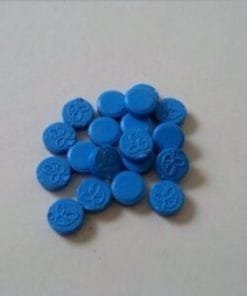
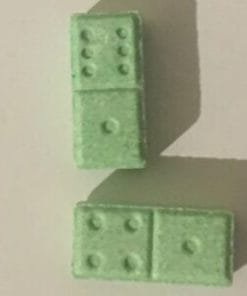
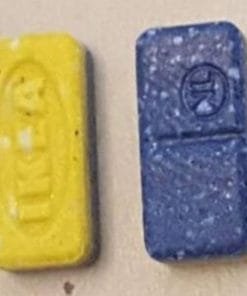
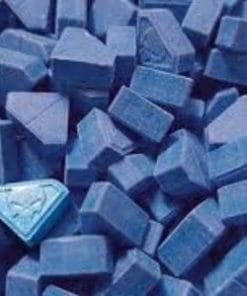
Street products sold as MDMA, ecstasy, or Molly are illicit and unregulated. Their actual contents cannot be confirmed by appearance, and they may contain other substances, mixtures, or adulterants. This article addresses the pharmacology of the compound MDMA itself, not any specific street product.
How MDMA Is Pharmacologically Classified
| Classification Type | Category |
|---|---|
| Pharmacological class | Empathogen and entactogen |
| Chemical family | Phenethylamine |
| Chemical subtype | Substituted amphetamine |
| U.S. legal status | Schedule I controlled substance |
| Primary mechanism | Monoamine transporter-mediated release via SERT, DAT, and NET |
What Does MDMA Do in the Brain?
MDMA produces its effects by entering neurons and triggering the reverse transport of monoamine neurotransmitters from intracellular stores into the synapse. This mechanism differs from reuptake inhibitors, which block the removal of neurotransmitters already released. MDMA actively drives release rather than simply prolonging existing activity.
Serotonin is MDMA’s primary neurochemical target. It enters serotonergic neurons via the serotonin transporter SERT and causes a large, carrier-mediated efflux of serotonin into the synapse while simultaneously inhibiting reuptake. The resulting elevation in synaptic serotonin is responsible for the emotional openness, mood elevation, and empathic feelings that define MDMA’s subjective experience.
VMAT2, the vesicular monoamine transporter 2, plays an important supporting role. MDMA disrupts the packaging of neurotransmitters into vesicles, causing stored serotonin, dopamine, and norepinephrine to leak into the neuronal cytoplasm where they become available for transporter-mediated release. This amplifies the overall scale of neurotransmitter efflux.
Dopamine release via the dopamine transporter DAT contributes to the stimulant, rewarding, and motivational aspects of MDMA’s effects. The ratio of serotonin to dopamine release is substantially higher with MDMA than with amphetamine, which explains the shift from a predominantly stimulant profile toward an emotional and prosocial one.
Norepinephrine release via NET drives many of MDMA’s cardiovascular effects, including elevated heart rate and blood pressure.
Oxytocin, a neuropeptide associated with social bonding and trust, is also released following MDMA exposure. Research has examined oxytocin as a partial contributor to MDMA’s prosocial effects, though its precise role relative to serotonergic mechanisms remains an active area of investigation.
The National Institute on Drug Abuse describes MDMA as producing both stimulant and hallucinogenic-like properties while noting it does not fit cleanly into either category.
Why MDMA Has Its Own Drug Category
Classical stimulants such as amphetamine and cocaine act primarily on dopamine and norepinephrine systems. Classical hallucinogens such as LSD and psilocybin act primarily through 5-HT2A serotonin receptor agonism, producing perceptual distortion and altered states of consciousness. MDMA does neither of these as its dominant action.
MDMA’s primary mechanism is transporter-mediated serotonin release rather than receptor agonism, and its dopamine-to-serotonin release ratio is inverted compared with classical stimulants. This produces heightened empathy, emotional closeness, and prosocial feelings that are not characteristic of stimulants or psychedelics. Pharmacologist David Nichols coined the term entactogen specifically to distinguish this drug class from both existing categories.
Is MDMA a Soft or Hard Drug?
The soft drug versus hard drug distinction is a colloquial and policy-oriented framework rather than a pharmacological one. Different countries and policy systems draw the line differently, and the categories do not map cleanly onto addiction potential, toxicity, or medical risk.
From a pharmacological standpoint, MDMA has a moderate dependence potential compared with substances such as heroin, cocaine, or methamphetamine. It does not produce the same physical withdrawal syndrome as opioids or the compulsive use patterns most strongly associated with dopamine-dominant stimulants. However, some people develop problematic patterns of use, and MDMA carries serious acute health risks including hyperthermia, hyponatremia, serotonin toxicity, and cardiovascular stress, particularly at high doses or in warm environments with physical exertion.
Classifying MDMA as soft or hard depends more on the policy framework applied than on a single pharmacological property. Its acute toxicity risks at recreational doses are meaningful and well documented, even if its dependence profile differs from substances typically labeled hard drugs.
What Is MDMA Used to Treat?
MDMA has been investigated as an adjunct to psychotherapy, primarily for post-traumatic stress disorder. Clinical trials conducted under regulatory oversight examined whether MDMA’s empathogenic properties, particularly its capacity to reduce defensive reactivity and increase emotional openness, could facilitate therapeutic processing of traumatic memories when combined with structured psychotherapy.
As of 2024, the FDA has not approved MDMA for any clinical use. The agency issued a Complete Response Letter in August 2024 for a new drug application seeking approval of MDMA-assisted therapy for PTSD, requesting additional clinical trials before approval could be considered. Research continues under regulatory oversight through organizations such as MAPS, the Multidisciplinary Association for Psychedelic Studies.
Pharmaceutical-grade research MDMA used in clinical trials is a verified compound produced under controlled conditions. It bears no relationship to illicitly produced street MDMA in terms of identity, composition, purity, or safety.
What Is the Rolls Royce Pill?
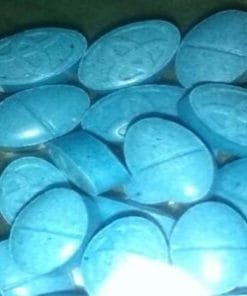
The Rolls Royce pill is a street name applied to illicit ecstasy tablets stamped with a Rolls Royce logo or RR imagery. Like other branded ecstasy pills, the Rolls Royce name identifies the tablet’s visual design rather than its chemical contents. The logo cannot confirm that a tablet contains MDMA, establish its potency, or verify its purity.
Branded ecstasy pills including the Rolls Royce are produced by illicit manufacturers who can use any die design regardless of what the tablet actually contains. Drug-checking analyses of branded ecstasy tablets consistently show variability in chemical composition across batches, even among tablets sharing the same logo, color, and size. A Rolls Royce pill report from a testing database applies only to the specific sample analyzed and cannot be generalized to other tablets with the same appearance.