


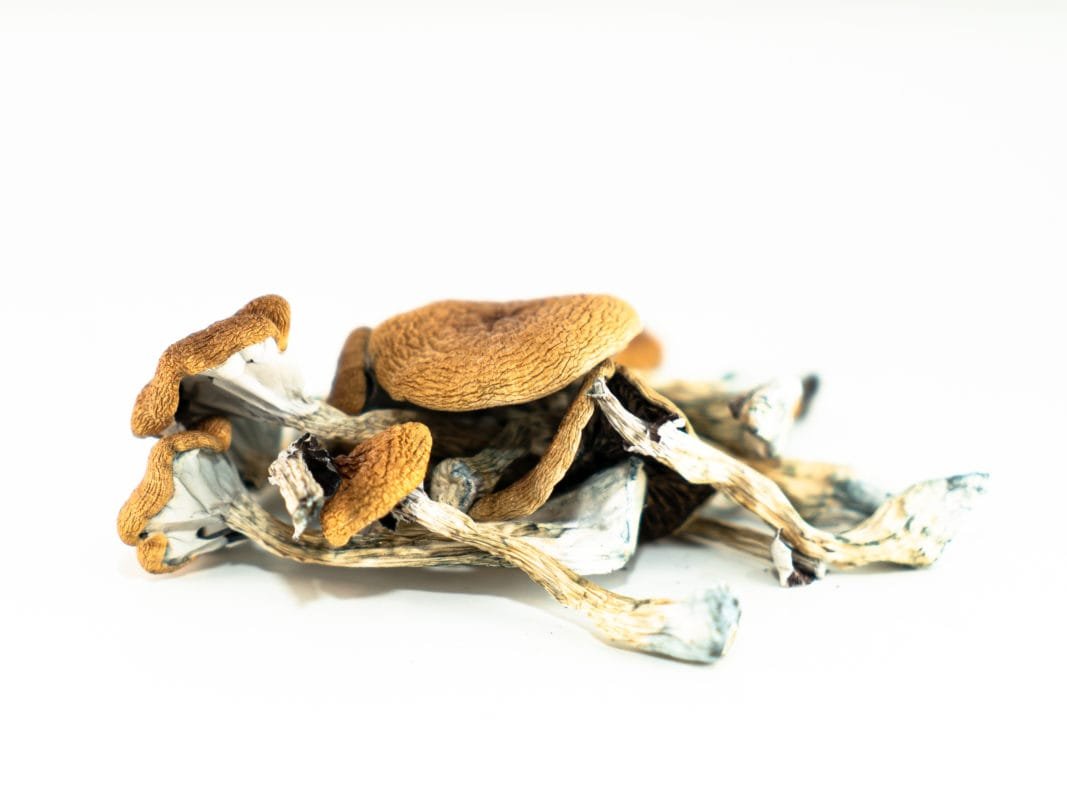
Brazilian Magic Mushrooms – Exotic Psilocybe Cubensis from South America
Price range: $190.00 through $890.00
Explore the vibrant energy of Brazilian Magic Mushrooms, a rare South American psilocybin strain. Known for their uplifting effects and spiritual depth, they’re organically grown and available through a licensed psychedelic distributor.
Brazilian Magic Mushrooms: Complete Guide to the Brazilian Psilocybe cubensis Strain
Brazilian magic mushrooms are a cultivar of Psilocybe cubensis associated with tropical South America and widely documented in cultivation communities for vigorous rhizomorphic mycelium, large fruiting bodies, and reliable growth characteristics. This guide covers the Brazilian strain’s taxonomy, origin, identification, growth biology, microscopy, potency considerations, legal status, and current scientific understanding—separating peer-reviewed evidence from community observation at every point where the distinction matters.
Brazilian magic mushrooms are a cultivar of Psilocybe cubensis associated with tropical South America, particularly Brazil’s Mato Grosso state. They are recognized for vigorous rhizomorphic mycelium, large fruiting bodies with caramel-to-golden caps, and dark purple-brown spore prints consistent with P. cubensis species identification. Potency is broadly consistent with the species average. Psilocybin remains Schedule I under US federal law; spores are legal for microscopy in most states.
Key Takeaways
- Brazilian magic mushrooms are a cultivar of Psilocybe cubensis, not a distinct species
- Their origin is associated with tropical South America, commonly attributed to Brazil’s Mato Grosso region
- Vigorous rhizomorphic mycelium and large fruiting bodies are the most consistently documented growth characteristics
- Potency is broadly consistent with other Psilocybe cubensis cultivars—specimen-level variability predicts alkaloid content more reliably than cultivar name
- Spore prints are dark purple-brown; basidiospore morphology is consistent with published P. cubensis species ranges
- Psilocybin is Schedule I under US federal law; spores are legal for microscopy in most US states, with restrictions in California, Georgia, and Idaho
Cultivar Comparison at a Glance
| Characteristic | Brazilian | Golden Teacher | B+ | Mazatapec |
|---|---|---|---|---|
| Geographic association | Mato Grosso, Brazil | Florida, USA (disputed) | Florida, USA (disputed) | Oaxaca, Mexico |
| Cap color | Golden to caramel; paling at maturity | Distinctive golden-yellow | Golden-brown; large | Caramel to light brown |
| Fruiting body size | Large | Medium to large | Large | Medium |
| Mycelium morphology | Rhizomorphic; aggressive | Moderate; variable | Rhizomorphic | Moderate |
| Colonization speed | Moderate to fast | Moderate | Moderate to fast | Slow to moderate |
| Community potency rep. | Average for cubensis | Gentle; beginner-friendly | Average; beginner-friendly | Average; gentle |
| Community effects rep. | Consistent; approachable | Introspective | Warm; visual | Gentle; spiritual |
| Spore print | Dark purple-brown | Dark purple-brown | Dark purple-brown | Dark purple-brown |
| Beginner suitability | High | High | High | Moderate |
What Are Brazilian Magic Mushrooms?
Brazilian magic mushrooms are a cultivar of Psilocybe cubensis that has circulated in cultivation communities since at least the 1990s, distinguished by vigorous mycelial growth, large fruiting bodies, and a cultivation profile that community literature consistently describes as accessible for beginners. Like all Psilocybe cubensis cultivars, they contain psilocybin, psilocin, and related tryptamines that act as partial agonists at serotonin 5-HT2A receptors—the pharmacological mechanism underlying their psychoactive properties.
The Brazilian strain occupies a specific position in the cultivar landscape: geographically named, tropically adapted, and well-documented in community cultivation literature relative to many competing strains. Its associated origin in Brazil’s Mato Grosso state gives it more geographic specificity than most cultivar names, though the chain from original wild collection to contemporary commercial spore distribution introduces the same provenance uncertainty that affects all long-circulating cubensis strains.
What distinguishes Brazilian in practical terms is its growth phenotype. Rhizomorphic mycelium—the dense, rope-like hyphal aggregations visible in colonizing grain spawn—is the most consistently reported characteristic in independent cultivation accounts, associated with aggressive colonization and reliable fruiting. Large, visually striking fruiting bodies with golden-caramel caps are equally well-documented. These are the features that sustained the Brazilian strain’s presence across decades of evolving cultivar culture, independent of any exceptional potency claims.
Understanding Brazilian well means holding its reputation in honest proportion: a productive, accessible, geographically grounded cultivar within a species whose alkaloid variability is determined more by cultivation conditions than by strain genetics.
Scientific Classification
| Rank | Classification |
|---|---|
| Kingdom | Fungi |
| Division | Basidiomycota |
| Class | Agaricomycetes |
| Order | Agaricales |
| Family | Hymenogastraceae |
| Genus | Psilocybe |
| Species | Psilocybe cubensis (Earle) Singer |
| Cultivar | Brazilian |
Psilocybe cubensis was first formally described by Franklin Sumner Earle in 1906 and later revised by Rolf Singer—whose taxonomic work also revised Copelandia cyanescens and numerous related taxa. The species is recorded in Index Fungorum and MycoBank under its accepted name. The Brazilian cultivar carries no separate taxonomic standing in either database. It is a community designation applied to a phenotypically consistent strain, not a formally described taxon.
That distinction has direct practical consequences. “Brazilian” as a cultivar name carries no inherent guarantee of genetic consistency across different spore sources or vendor lines. Two samples sold under the same name may share phenotypic similarity without sharing identical genetics. This is not a deficiency unique to Brazilian—it is a structural feature of how cultivar names propagate through the commercial spore trade without formal taxonomic oversight. For the classification framework within which this cultivar sits, our mushroom taxonomy guide provides foundational context on what each level of fungal classification does and does not imply.
Key Facts: Brazilian Magic Mushrooms
| Attribute | Detail |
|---|---|
| Species | Psilocybe cubensis |
| Family | Hymenogastraceae |
| Division | Basidiomycota |
| Associated origin | Mato Grosso, Brazil |
| Cap color | Golden to caramel-brown; pale tan at maturity |
| Spore print color | Dark purple-brown |
| Spore dimensions | ~11.5–17 × 8–11 µm |
| Spore shape | Smooth ellipsoid |
| Mycelium type | Rhizomorphic; white to off-white |
| Active alkaloids | Psilocybin, psilocin, baeocystin |
| Primary receptor target | Serotonin 5-HT2A |
| Colonization speed | Moderate to fast |
| Fruiting body size | Large relative to many cubensis cultivars |
| US federal legal status | Schedule I (fruiting bodies and active compounds) |
| Spore legality (US) | Legal for microscopy; restricted in CA, GA, ID |
Brazilian Cubensis Origin and History
Associated Geographic Origin
The Brazilian strain is commonly associated with the Mato Grosso state of Brazil—a vast region of tropical savanna, cerrado, and transitional forest biomes in central-western Brazil. Mato Grosso’s climate is characterized by a pronounced wet season, sustained high humidity, and warm temperatures year-round: conditions that support the coprophilous growth ecology of Psilocybe cubensis, which fruits on cattle dung in open pastures across pantropical regions. The Global Biodiversity Information Facility (GBIF) documents naturally occurring Psilocybe cubensis populations across South America, including collection records from Brazilian tropical habitats ecologically consistent with the strain’s attributed origin.
The Mato Grosso attribution gives the Brazilian strain a more specific geographic anchor than most cultivar names—but specificity of attribution is not the same as certainty of provenance. Whether the currently circulating Brazilian strain traces its genetics directly to a documented wild South American collection, or whether it has been selectively propagated from broadly related cubensis stock during decades of commercial distribution, is not established in peer-reviewed literature. The geographic claim is historically plausible and ecologically coherent; it is not formally verified.
Timeline: Brazilian Cultivar in Cultivation Communities
Pre-1990s — Ecological Preconditions
Psilocybe cubensis is documented across South America wherever cattle ranching and adequate humidity coincide. Mato Grosso’s agricultural landscape and climate place it squarely within the species’ natural range. Naturally occurring South American cubensis populations form the ecological background against which the Brazilian strain’s origin claim is understood.
1990s — Community Adoption
Brazilian magic mushrooms appear in cultivation communities widely documented from at least the 1990s, during the period when online mycology communities began systematically sharing, trading, and documenting Psilocybe cubensis strains. The combination of tropical origin, vigorous rhizomorphic mycelium, and large fruiting bodies contributed to early adoption and sustained interest.
Early 2000s — Spore Trade Establishment
As commercial spore trading infrastructure developed through online platforms and dedicated vendors, Brazilian became one of the foundational cultivar offerings alongside Golden Teacher, B+, and Mazatapec. Its beginner-accessible reputation and distinctive growth profile supported its continued prominence.
2010–Present — Reference Cultivar Status
Brazilian is now a standard cultivar reference in mycological education, harm reduction literature, and comparative strain discussion. Community alkaloid testing initiatives have contributed potency data situating Brazilian within the average cubensis range—confirming its reputation as a reliable, consistent, and accessible cultivar rather than an exceptional outlier.
How Cultivar Names Are Created
Cultivar names like “Brazilian” emerge through community convention rather than formal taxonomic process. Unlike species names—governed by the International Code of Nomenclature for algae, fungi, and plants and adjudicated through authorities including Index Fungorum—cultivar names in the Psilocybe cubensis community accumulate through use, repetition, and commercial adoption without accountability to any nomenclatural standard.
The practical implication is that “Brazilian” describes a phenotypically consistent community tradition, not a formally characterized genetic entity. Two vendors selling “Brazilian” spores may be distributing material with substantially different genetic histories. This is a structural feature of the cultivar landscape that applies across all cubensis strain names, and it is why species-level identification through morphology and molecular methods is more scientifically reliable than cultivar name recognition alone.
How Do Researchers Identify Brazilian Psilocybe cubensis?
Researchers identify Psilocybe cubensis using morphology, microscopy, and molecular techniques. DNA barcoding can confirm species identity, but it cannot currently distinguish commercial cultivars like Brazilian from one another with confidence.
This distinction—between what identification methods can establish and what they cannot—is foundational to understanding both the value and the limits of cultivar documentation.
Morphological Identification
Morphological identification relies on observable physical characteristics: cap color, size, and surface texture; gill attachment and color progression; stipe dimensions and hollowness; presence and persistence of the annulus; spore print color; and the blue bruising response. Taken together, these features establish Psilocybe cubensis species membership with reasonable confidence under cultivation conditions. No single feature is definitive in isolation—convergent evidence across multiple characteristics is the appropriate standard.
For Brazilian specifically, the combination of golden-caramel cap coloring, rhizomorphic white mycelium, large fruiting body size, and dark purple-brown spore print constitutes the working identification profile. This profile is phenotypically consistent across independent cultivation accounts, which is the basis for treating Brazilian as a meaningfully distinct cultivar—even without formal genetic anchoring.
Microscopy
Microscopic examination of basidiospore morphology—produced in the hymenium, the fertile spore-bearing layer, by individual basidia (the club-shaped cells that are Basidiomycota’s defining reproductive structure)—provides more reliable identification data than gross morphology alone. For Psilocybe cubensis, basidiospores are smooth ellipsoid, approximately 11.5–17 × 8–11 µm, dark purple-brown, thick-walled, and feature a truncate apical germ pore. Verifying these dimensions and features under light microscopy confirms species-level identification. Our mushroom microscopy guide covers slide preparation and spore measurement methodology in detail.
DNA Barcoding and ITS Sequencing
DNA barcoding is a molecular identification method that compares standardized genetic regions between organisms to establish species identity. For fungi, the Internal Transcribed Spacer (ITS) region—a hypervariable segment of ribosomal DNA—is the primary barcoding marker, providing reliable species-level resolution when compared against reference sequences in NCBI GenBank.
ITS sequencing can confirm that a specimen is Psilocybe cubensis with high confidence. What it currently cannot do is distinguish between cubensis cultivars at the sub-species level. Strain-level genetic differentiation within P. cubensis has not been characterized through peer-reviewed phylogenetic study. The hyphae and mycelial architecture that distinguish Brazilian’s rhizomorphic growth pattern from tomentose cultivars appear to reflect polygenic traits whose molecular basis has not been mapped.
Common mistake: Assuming DNA testing can verify every commercial cultivar.
Best practice: Treat cultivar names as community horticultural descriptors. Rely on species-level identification through morphology, microscopy, and ITS sequencing for scientific accuracy. Cultivar claims are not formal taxonomic classifications and cannot be verified through GenBank reference data.
The Limits of Cultivar Identification
The honest conclusion from a survey of available identification methods is that Brazilian can be identified as Psilocybe cubensis with confidence through morphology, microscopy, and DNA barcoding—but cannot be confirmed as “Brazilian” rather than any other cubensis cultivar through any currently available method. This is a principled limitation, not a practical inconvenience. It reflects the structural reality that cultivar names exist outside the formal taxonomic system and have not been anchored to characterized genetic markers.
Brazilian Mushroom Identification and Physical Characteristics
Brazilian magic mushrooms are identified by golden to caramel-brown caps that pale at maturity, large fruiting body size, white rhizomorphic mycelium, and dark purple-brown spore prints consistent with Psilocybe cubensis species identification.
Myth vs. Fact: Brazilian Identification
| Myth | Fact |
|---|---|
| Brazilian is a separate mushroom species | Brazilian is a cultivar of Psilocybe cubensis with no separate taxonomic standing |
| Rhizomorphic growth predicts potency | Growth morphology does not reliably predict alkaloid content |
| Blue bruising confirms potency | Bruising reflects oxidation of psilocin, not alkaloid concentration |
| Cultivar names guarantee genetic consistency | Commercial cultivar names are community conventions, not formal taxonomic classifications |
| Larger fruiting bodies mean more psilocybin | Fruiting body size reflects growth conditions, not alkaloid biosynthesis rate |
| Geographic origin determines potency | Alkaloid content is determined by cultivation conditions, not collection latitude |
Cap (Pileus)
Young Brazilian specimens emerge with a hemispheric, distinctly golden to caramel-brown cap—a warm, saturated pigmentation more consistent and darker than many cubensis cultivars at comparable maturity stages. As the mushroom develops, the cap flattens from convex to broadly umbonate, and the color lightens progressively toward pale tan or cream, typically retaining a slightly darker center. This transition from rich gold to pale tan across the fruiting body’s development is one of the more visually characteristic features reported consistently across independent Brazilian cultivation accounts.
Cap diameter at maturity is notably large by cubensis standards, frequently reaching 5 to 8 centimeters under productive cultivation conditions and occasionally exceeding this range in first-flush specimens grown on supplemented substrate. The surface is smooth and viscid when moist, drying to a matte finish.
Gills and Hymenium
The gills—which house the hymenium, the fertile layer where basidia produce basidiospores—are adnate to adnexed, closely spaced, and pale gray in young specimens. They darken progressively through gray-brown to near-black as basidiospores in each basidium reach full maturity. This progressive darkening, a consequence of sequential spore maturation across adjacent basidia rather than uniform coloration change, creates a reliable harvest timing indicator: gills noticeably darker than the cap suggest the veil has ruptured or is about to, and harvest should follow promptly. For a complete reference on the structural terminology used here, our mushroom anatomy guide covers each feature in detail.
Stem (Stipe)
The stipe is white to off-white, thick relative to many cubensis cultivars, solid when young, and becoming increasingly hollow with maturity. A partial veil connects the cap margin to the upper stipe in pre-rupture specimens. After rupture, the persistent annulus remains as a skirt-like ring—consistent across all Psilocybe cubensis fruiting bodies regardless of cultivar.
Spore Print
The spore print is dark purple-brown—the defining species-level identification characteristic of Psilocybe cubensis and the primary visual test for separating it from morphologically similar species that produce differently colored prints. There is no cultivar-specific variation in spore print color within Psilocybe cubensis. Our spore print identification guide covers collection methodology and color interpretation in detail.
Blue Bruising
Brazilian specimens bruise blue-green when tissue is damaged. This reaction reflects enzymatic oxidation of psilocin at the injury site, producing blue-green quinoid oligomers. It confirms tryptamine presence—specifically psilocin—but provides no information about alkaloid concentration. Bruising intensity is not a potency indicator under any validated analytical framework.
Brazilian Mycelium and Growth Characteristics
The Brazilian strain’s rhizomorphic mycelium, moderate-to-fast colonization, and large fruiting bodies are its most consistently documented and practically significant characteristics.
Rhizomorphic Mycelium: What It Is and What It Means
Rhizomorphic mycelium forms when hyphae—the individual microscopic filaments that constitute fungal mycelium—aggregate into dense, rope-like cords rather than growing as diffuse, cotton-like (tomentose) strands. These hyphal aggregates, or rhizomorphs, are visible to the naked eye in colonizing grain spawn as distinct cord-like structures spreading through the substrate matrix.
In community cultivation literature, rhizomorphic growth is consistently associated with competitive colonization, faster substrate penetration, stronger pinning initiation, and more productive fruiting. The American Society for Microbiology publishes foundational resources on fungal hyphal biology that provide scientific context for understanding how mycelial architecture relates to colonization efficiency and resource translocation through fungal networks.
Whether rhizomorphic growth is reliably superior to tomentose growth in fruiting outcomes is substrate- and condition-dependent. Community consensus treats it as a favorable indicator. It is a growth morphology that correlates with cultivation performance—not a direct predictor of it, and certainly not a predictor of alkaloid content.
Colonization
Brazilian magic mushrooms colonize grain spawn and bulk substrates at a rate described as moderate to fast across community cultivation accounts. Mycelium presents as white to off-white throughout colonization, with rhizomorphic strand architecture becoming increasingly visible as the hyphal network matures. Contamination susceptibility is consistent with P. cubensis generally—proper sterile technique is the primary protective variable.
Substrate Performance and Yield
Brazilian cubensis performs reliably across a range of substrates, and its large fruiting body size contributes to above-average yield reports on productive cultivations:
| Substrate | Performance | Notes |
|---|---|---|
| Brown rice flour/vermiculite (BRF) | Consistent | Practical for introductory work |
| Pasteurized manure-based bulk | Strong | Consistent with coprophilous ecology; higher yields per flush |
| Coco coir/vermiculite | Reliable | Widely used; moderate fruiting documented |
| Supplemented hardwood | Mixed | Less common; variable results |
| Agar | Essential | Isolation, clone selection, microscopy preparation |
The USDA Agricultural Research Service’s fungal database documents Psilocybe cubensis substrate associations in naturally occurring populations that inform the ecological basis for substrate selection in cultivation contexts.
Growth Performance Comparison
| Characteristic | Brazilian | Golden Teacher | B+ | Mazatapec |
|---|---|---|---|---|
| Mycelium type | Rhizomorphic | Moderate/variable | Rhizomorphic | Moderate |
| Colonization speed | Moderate-fast | Moderate | Moderate-fast | Slow-moderate |
| Fruiting body size | Large | Medium-large | Large | Medium |
| First flush yield | High | Moderate-high | High | Moderate |
| Multi-flush reliability | High | High | High | Moderate-high |
| Beginner suitability | High | High | High | Moderate |
| Contamination resistance | Moderate | Moderate | Moderate | Moderate |
All comparisons reflect community cultivation consensus, not controlled experimental data.
Fruiting Characteristics
First-flush fruiting bodies are characteristically large, frequently producing the most visually striking specimens of the Brazilian strain’s multi-flush production cycle. Subsequent flushes trend toward smaller, denser clusters—standard behavior across P. cubensis cultivars. Fruiting is consistently described as reliable, contributing to Brazilian’s sustained beginner-friendly reputation.
Optimal environmental parameters follow P. cubensis species norms: fruiting temperatures of 74–78°F (23–26°C), relative humidity of 90–95%, and indirect light as a circadian cue for pinning initiation. Harvest at or just before veil rupture is recommended across all cubensis cultivars for optimizing yield and minimizing spore dispersal.
Brazilian Cubensis Potency: Evidence and Limitations
Community reports describe Brazilian cubensis potency as average for Psilocybe cubensis. Laboratory evidence consistently demonstrates that alkaloid content varies more between individual specimens than between cultivar designations—making cultivation conditions and harvest timing more predictive of potency than strain name.
What Community Reports Describe
Brazilian magic mushrooms are consistently described in community literature as average in potency relative to other Psilocybe cubensis cultivars—not positioned as exceptionally potent, nor as notably gentle. This average characterization is itself informative: it represents a cultivar that delivers effects broadly consistent with the cubensis species profile without the dose uncertainty that accompanies cultivars reported at the high end of the potency range.
What Laboratory Analysis Shows
Systematic alkaloid analysis of Psilocybe cubensis specimens—using HPLC-UV and LC-MS/MS methods—consistently demonstrates that inter-specimen variability within a single cultivar exceeds inter-cultivar variability across strain designations. This finding, accessible through peer-reviewed literature indexed at PubMed, is the central pharmacological fact about Brazilian cubensis potency.
The primary determinants of alkaloid concentration are:
- Substrate composition: Nutrient availability during colonization influences tryptamine biosynthesis
- Environmental conditions during fruiting: Temperature, humidity, and CO₂ concentration
- Harvest timing: Relative to veil rupture, which affects psilocybin accumulation in the fruiting body
- Post-harvest handling: Psilocin is less stable than psilocybin and degrades with heat, oxygen, and moisture exposure
Science vs. Strain Reputation
| Topic | Community Belief | Scientific Evidence |
|---|---|---|
| Brazilian potency vs. other cultivars | Average for cubensis | Inter-specimen variation exceeds inter-cultivar variation |
| Rhizomorphic growth and potency | Sometimes assumed to correlate | No validated relationship between growth morphology and alkaloid content |
| Large fruiting body = more psilocybin | Commonly implied | Size reflects growth conditions; not a reliable potency indicator |
| Geographic origin affects potency | Occasionally claimed | Collection latitude has no demonstrated effect on alkaloid biosynthesis |
| HPLC is necessary for accuracy | Rarely discussed in community | The only validated method for alkaloid quantification |
Clinical research programs at Johns Hopkins Center for Psychedelic and Consciousness Research use pharmaceutical-grade synthetic psilocybin specifically because natural specimen variability makes reliable dosing from whole mushrooms analytically impractical without batch-specific testing. That is not a limitation of the research design—it is an acknowledgment of the variability reality that applies to Brazilian and every other cubensis cultivar.
Brazilian Cubensis Alkaloid Content
Brazilian magic mushrooms contain the same principal tryptamine compounds identified across Psilocybe cubensis cultivars.
| Compound | Role | Notes |
|---|---|---|
| Psilocybin | Primary prodrug | Dephosphorylated to psilocin by intestinal alkaline phosphatase after ingestion |
| Psilocin | Active metabolite | Direct partial agonist at serotonin 5-HT2A receptors |
| Baeocystin | Minor tryptamine | Detected in variable amounts; pharmacological role under investigation |
| Norbaeocystin | Trace tryptamine | Consistently detected at low concentrations in published cubensis HPLC analyses |
Psilocybin is pharmacologically inert until enzymatic dephosphorylation converts it to psilocin after ingestion. Psilocin crosses the blood-brain barrier and acts as a partial agonist at serotonin 5-HT2A receptors—the primary mechanism underlying perceptual, cognitive, and emotional effects. This mechanism is documented in peer-reviewed literature accessible through NCBI and PubMed.
The pharmacological contribution of baeocystin and norbaeocystin remains an active research question. The hypothesis that minor alkaloids interact synergistically with psilocybin—a proposed entourage effect analogous to discussions in cannabis research—is scientifically plausible but has not been established through controlled human trials. Whether Brazilian specimens differ from other cubensis cultivars in minor alkaloid ratios has not been characterized through peer-reviewed comparative HPLC-UV or LC-MS/MS analysis.
Brazilian Mushroom Effects: What the Evidence Supports
Brazilian magic mushroom effects follow the pharmacological framework common to all Psilocybe cubensis cultivars. No clinical evidence supports cultivar-specific effects claims. Dose, individual neurobiology, and set and setting are the primary determinants of experience character.
Pharmacological Framework
All effects produced by Brazilian magic mushrooms are attributable to psilocybin’s conversion to psilocin and psilocin’s subsequent action at serotonin 5-HT2A receptors. This mechanism is documented extensively in clinical research from Johns Hopkins Center for Psychedelic and Consciousness Research and Imperial College London’s Centre for Psychedelic Research. It does not vary between cultivars. No peer-reviewed study has demonstrated that Brazilian magic mushrooms produce categorically distinct pharmacological effects compared to other Psilocybe cubensis strains.
Community-Reported Effects
Community accounts describe Brazilian cubensis effects as broadly consistent with the P. cubensis species profile at equivalent doses:
- Visual effects: Geometric patterns, color enhancement, and perceptual distortion at moderate-to-high doses, with intensity correlating more reliably with dose than cultivar identity
- Cognitive effects: Altered thought patterns, increased associative thinking, and creative ideation reported across accounts
- Emotional range: Euphoria, emotional openness, and in some accounts introspective or challenging experiences—all consistent with the dose-dependent, set-and-setting-sensitive character of psilocybin
- Somatic effects: Body warmth and heightened awareness at onset; occasional nausea at higher doses, particularly in unprepared users
The range of these reports reflects dose sensitivity and individual variation far more than any Brazilian-specific pharmacology.
Set and Setting
Set and setting—the psychological preparation and environmental context surrounding a psilocybin experience—is established in clinical literature as among the strongest predictors of experiential outcome, consistently outweighing pharmacological differences between dose-equivalent preparations. MAPS and affiliated harm reduction organizations identify these contextual variables as primary risk-reduction factors. They are not precautions supplementary to dose calibration; they are primary determinants of outcome in their own right.
Brazilian Cubensis Dosage: Harm Reduction Framework
This information is provided for educational and harm reduction purposes only. Psilocybin is a Schedule I controlled substance under US federal law. Nothing here constitutes medical advice or encouragement of illegal activity.
General Reference Dosage Table (Dried P. cubensis)
| Level | Dried Weight | General Character |
|---|---|---|
| Threshold | 0.1–0.25 g | Subtle perceptual shifts |
| Low | 0.25–1.0 g | Mild effects, manageable |
| Moderate | 1.0–2.5 g | Pronounced effects, full experience |
| High | 2.5–3.5 g | Intense; requires preparation and support |
| Very High | 3.5 g+ | Not recommended without significant prior experience |
These ranges reflect harm reduction consensus for dried Psilocybe cubensis and broadly align with dose parameters used in controlled clinical research settings, though clinical protocols use weighed synthetic psilocybin rather than dried mushroom material. They apply across cultivars, including Brazilian.
Harm Reduction Principles
Treat each new batch as independent. Alkaloid content is not standardized across cultivations. A batch that performs differently than expected is expressing natural variability, not misrepresentation.
Start conservatively. Even experienced users benefit from conservative initial dosing with any unfamiliar batch. The margin for error is narrower than strain reputation implies.
Prioritize set and setting. Psychological preparation and environmental safety shape experience quality more reliably than dose precision. MAPS and the Zendo Project publish accessible harm reduction frameworks for psychedelic contexts.
Test where accessible. Reagent testing confirms psilocybin presence; HPLC-UV or LC-MS/MS analysis provides concentration data for harm reduction planning. DanceSafe provides guidance on drug checking approaches and reagent test interpretation.
Microdosing and Preparation Methods: Educational Overview
Educational overview only. Nothing here constitutes medical advice or encouragement of illegal activity.
Brazilian Microdosing Psilocybin
Microdosing—consuming sub-perceptual doses on a structured schedule without the intent of producing a noticeable altered state—is discussed in harm reduction communities in relation to Brazilian magic mushrooms and other cubensis cultivars. The dose uncertainty inherent in natural cubensis specimens applies equally to microdosing: without laboratory quantification of alkaloid content in a specific batch, establishing a reliable sub-perceptual threshold requires cautious, conservative starting points.
Community protocols most frequently referenced include the Fadiman Protocol (one day on, two days off) and the Stamets Protocol (four days on, three days off). Neither has been validated through randomized controlled trials to pharmaceutical evidence standards. Emerging research from Imperial College London is producing mixed results, with some studies showing benefits and others finding results consistent with placebo response. Cultivar identity is not a pharmacologically meaningful variable in microdosing protocols—dose precision matters far more than strain choice.
Brazilian Cubensis Lemon Tek
Lemon tek—soaking ground dried mushroom material in fresh lemon juice before consumption—is proposed in harm reduction communities to partially convert psilocybin to psilocin before ingestion by exploiting the acidic medium. The biochemical basis is plausible; the clinical significance has not been established in controlled studies. Community reports of faster, more intense onset are consistent with the proposed mechanism. For harm reduction purposes: if lemon tek accelerates onset, it compresses the window in which dose effects can be anticipated, making conservative initial dosing more important, not less.
Brazilian Mushroom Tea
Preparing dried mushroom material as a hot water infusion is discussed as potentially reducing gastrointestinal discomfort by filtering chitin—the structural polysaccharide of fungal cell walls. Hot water extraction efficiency for psilocybin relative to direct consumption has not been systematically compared in controlled studies. The preparation method does not alter the cultivar’s alkaloid profile or the fundamental dose uncertainty inherent in natural cubensis specimens.
Brazilian vs. Golden Teacher: Comparative Analysis
Brazilian and Golden Teacher are both Psilocybe cubensis cultivars sharing the same species, alkaloid profile, and pharmacological mechanism. Differences are phenotypic and reputational rather than pharmacological.
Golden Teacher is the most widely discussed Psilocybe cubensis cultivar in harm reduction and hobbyist contexts—a useful practical benchmark for any cultivar comparison.
| Characteristic | Brazilian | Golden Teacher |
|---|---|---|
| Geographic association | Mato Grosso, Brazil | Widely attributed to Florida, USA (disputed) |
| Cap color | Golden to caramel; paling at maturity | Distinctive golden-yellow |
| Fruiting body size | Large; among the larger cubensis cultivars | Medium to large |
| Mycelium morphology | Rhizomorphic; vigorous | Moderate; variable |
| Community potency rep. | Average for cubensis | Gentle; beginner-recommended |
| Colonization speed | Moderate to fast | Moderate |
| Community effects reputation | Consistent, approachable | Introspective; pedagogically described |
| Spore print | Dark purple-brown | Dark purple-brown |
Community descriptions of Brazilian as “consistent” and Golden Teacher as “introspective” reflect subjective, dose-sensitive experiences aggregated across diverse users, conditions, and expectations—not controlled pharmacological data. The same dose of either cultivar, administered in identical conditions to the same individual, would produce effects shaped more by those shared variables than by cultivar identity.
What genuinely distinguishes them for cultivation and microscopy purposes is phenotype: Brazilian’s rhizomorphic growth pattern and large fruiting bodies versus Golden Teacher’s more moderate profile. For researchers building comparative reference collections, both offer useful and distinct specimens. Our Golden Teacher mushroom guide covers that cultivar’s characteristics and documentation in full.
Brazilian Spore Print and Microscopy
Spore Morphology Reference Data
Brazilian magic mushroom basidiospores—produced in the hymenium by individual basidia—share the morphological profile of the Psilocybe cubensis species. Under light microscopy, they present as:
| Characteristic | Detail |
|---|---|
| Type | Basidiospores |
| Shape | Smooth ellipsoid |
| Dimensions | ~11.5–17 × 8–11 µm |
| Wall | Thick-walled |
| Color | Dark purple-brown |
| Germ pore | Truncate, apical |
| Surface | Smooth |
The truncate germ pore—a precisely defined opening at the basidiospore apex—is a taxonomically significant feature visible under appropriate magnification and serves as a confirmatory identification marker for Psilocybe cubensis specimens regardless of cultivar. Combined with spore dimensions and the dark purple-brown coloration, these characteristics place Brazilian specimens squarely within published Psilocybe cubensis spore ranges. Peer-reviewed literature on Psilocybe spore morphology is indexed through NCBI and searchable via PubMed. Detailed slide preparation methodology is covered in our mushroom microscopy guide and spore print identification guide.
Collecting a Brazilian Spore Print
Select a specimen where the partial veil has recently ruptured—visible as a skirt-like annulus on the stipe and darkened gill surfaces. Place the cap gill-side down on clean white paper and cover with a bowl to prevent airflow disruption. After 12–24 hours, lift the cap carefully to reveal the dark purple-brown deposit.
The print confirms Psilocybe cubensis species identity through its color and density. It serves simultaneously as a species-level identification marker, a basidiospore source for microscopy slide preparation, and a long-term reference archive if stored correctly. Dried prints stored in sealed containers away from heat, light, and moisture can remain viable for microscopy for several years.
Brazilian Spore Format Comparison
| Format | Best Use | Practical Shelf Life | Notes |
|---|---|---|---|
| Spore print | Long-term archival reference; multiple slides | Several years if stored correctly | Most durable format for reference collections |
| Spore syringe | Direct slide preparation; ease of handling | 6–12 months refrigerated | Ready to use; maintain sterility |
| Spore swab | Direct collection from fresh specimens | Shorter; prepare promptly | Suited to immediate microscopy preparation |
| Liquid culture | Mycelial growth study (educational) | Variable; requires sterile conditions | Specialized equipment needed |
All formats are subject to the same legal parameters: federally legal for microscopy in most US states, with restrictions in California, Georgia, and Idaho.
Brazilian Mushrooms Legal Status
Psilocybin is federally Schedule I under US law. Brazilian magic mushroom spores are federally legal for microscopy in most states. California, Georgia, and Idaho restrict spore possession. Oregon and Colorado have established regulated therapeutic access frameworks.
Federal Classification
Psilocybin and psilocin are Schedule I controlled substances under the United States Controlled Substances Act (21 U.S.C. § 812). This classification applies to all Psilocybe cubensis cultivars, including Brazilian, covering fruiting bodies, mycelium, and any preparation containing active compounds. There are no federal exceptions for personal use, small quantities, or traditional practice.
Spore Legality
Psilocybe cubensis spores—including Brazilian spores—do not contain psilocybin or psilocin. They are therefore federally legal to purchase and possess for microscopy and educational purposes in most US states. The operative legal variable is intended use: microscopy is lawful; cultivation of psilocybin-containing fruiting bodies is not, regardless of cultivar. Three states impose additional restrictions:
- California — Psilocybe spores restricted at state level
- Georgia — Restricted at state level
- Idaho — Restricted at state level
Evolving Regulatory Landscape
The US psilocybin regulatory environment is changing at an accelerating pace:
- Oregon — Measure 109, administered by the Oregon Health Authority, established a licensed therapeutic psilocybin service center model operational since 2023
- Colorado — Natural Medicine Health Act, administered by the Colorado Department of Regulatory Agencies, created regulated therapeutic access and personal possession decriminalization
- Multiple municipalities — Denver, Oakland, Santa Cruz, Ann Arbor, and Washington D.C. have enacted local decriminalization measures that reduce enforcement priority without altering federal scheduling
None of these frameworks legalize cultivation or personal possession of psilocybin-containing fruiting bodies under federal law. Current policy tracking is available through the Drug Policy Alliance and National Conference of State Legislatures.
Scientific Research Context
No peer-reviewed clinical trial has evaluated the Brazilian Psilocybe cubensis cultivar as a distinct research subject. This is the consistent pattern across all cubensis cultivars: clinical psilocybin research uses pharmaceutical-grade synthetic psilocybin because natural specimen alkaloid variability makes controlled dosing from whole mushrooms analytically unreliable without batch-specific HPLC-UV testing.
What the research establishes is the pharmacological framework within which Brazilian magic mushrooms operate. Landmark work from Johns Hopkins Center for Psychedelic and Consciousness Research—including studies by Roland Griffiths, Matthew Johnson, and colleagues on psilocybin’s effects in depression, addiction, and end-of-life distress—has reestablished psilocybin as a credible clinical research subject. Imperial College London’s Centre for Psychedelic Research has contributed neuroimaging data on psilocybin’s effects on default mode network connectivity. MAPS and COMPASS Pathways continue advancing clinical development of psilocybin-based therapeutics.
Albert Hofmann’s foundational isolation of psilocybin and psilocin from Psilocybe mexicana in 1958—building on Roger Heim’s earlier ethnomycological documentation of psilocybin-containing fungi in their Mexican ceremonial context—established the chemical basis for understanding all psilocybin-containing fungi. This includes the South American Psilocybe cubensis populations that form the ecological backdrop of the Brazilian cultivar’s origin narrative.
Community-based alkaloid testing initiatives have contributed the most directly relevant comparative potency data for cubensis cultivars, consistently demonstrating inter-specimen variability that exceeds inter-cultivar variability. Peer-reviewed literature on Psilocybe alkaloid chemistry is indexed through NCBI and searchable via PubMed.
What Researchers Still Don’t Know
Acknowledging evidence gaps is not a weakness in a scientific account—it is what separates evidence-based writing from promotional content.
No cultivar-specific clinical data exists for Brazilian magic mushrooms. Clinical research uses synthetic psilocybin for pharmacological control—a design requirement that means cultivar-specific claims about Brazilian effects, onset character, or experience quality cannot be validated through existing clinical literature and will not be validated by future trials designed the same way.
Strain-level genetic characterization of cubensis cultivars is essentially absent. ITS sequencing confirms Psilocybe cubensis species membership but cannot currently distinguish between cultivars. Whether Brazilian has consistent, reproducible genetic characteristics that differentiate it from other cubensis cultivars has not been established through peer-reviewed phylogenetic research. The hyphal architecture underlying rhizomorphic growth likely reflects polygenic traits whose molecular basis has not been mapped.
The pharmacological contribution of minor alkaloids remains unresolved. Baeocystin and norbaeocystin are consistently detected in cubensis specimens via LC-MS/MS. Whether they independently modulate subjective experience—or interact synergistically with psilocybin and psilocin—has not been characterized through controlled human trials. The entourage hypothesis is plausible; it is not proven.
The relationship between rhizomorphic mycelium and fruiting performance is empirically underdetermined. Community cultivation literature consistently associates rhizomorphic hyphal architecture with superior colonization and fruiting. The mechanistic basis for this association—whether rhizomorphic organization provides genuine translocation advantages or correlates with other genetic traits driving performance—has not been characterized in peer-reviewed fungal biology research.
Wild provenance of the commercial Brazilian strain cannot be independently verified. Whether today’s commercially distributed Brazilian spores trace their genetics to documented wild Mato Grosso collections or have been propagated from broadly related cubensis stock during decades of commercial distribution is not established. The geographic claim is historically plausible and ecologically coherent. It is not formally verified.
Common Misconceptions About Brazilian Magic Mushrooms
“Brazilian is a distinct species separate from Psilocybe cubensis.”
It is not. Brazilian is a cultivar designation within Psilocybe cubensis—carrying no separate species-level standing in Index Fungorum or MycoBank. It shares the same taxonomic designation, alkaloid profile, and basic morphology as all other cubensis cultivars.
“Rhizomorphic mycelium guarantees superior potency.”
Rhizomorphic mycelium is a growth morphology reflecting hyphal architecture. It is not connected to alkaloid biosynthesis by any validated mechanism. No peer-reviewed evidence links mycelium growth pattern to psilocybin concentration in fruiting bodies.
“Larger fruiting bodies mean higher potency.”
Fruiting body size reflects growth conditions and morphology-related genetics, not alkaloid concentration. A large Brazilian specimen and a small one from the same cultivation may differ substantially in psilocybin content per gram of dried weight.
“Blue bruising confirms potency.”
Blue bruising confirms psilocin is present through enzymatic oxidation. It does not indicate concentration. Two specimens that bruise identically may differ substantially in total alkaloid content. HPLC-UV is the only validated quantification method.
“Brazilian spores are legal everywhere in the US.”
Federal law permits spore possession for microscopy, but California, Georgia, and Idaho have enacted state-level restrictions. Jurisdiction-specific verification is required before acquiring spores.
“Geographic origin determines potency.”
Alkaloid content in Psilocybe cubensis fruiting bodies is determined by substrate, environmental conditions, harvest timing, and post-harvest handling—not by the climatic region associated with a cultivar’s collection history.
Continue Learning
Understanding Brazilian magic mushrooms fully requires context from the broader Psilocybe cubensis cultivar landscape, foundational mycology, and current psilocybin research.
Explore related cultivars: The complete Psilocybe cubensis guide, Golden Teacher guide, B+ mushroom guide, and Mazatapec mushroom guide cover closely related cultivars with useful comparative context.
Build identification skills: The mushroom identification guide, mushroom anatomy guide, and mushroom taxonomy guide provide the structural and taxonomic vocabulary for understanding what distinguishes organisms at each classification level.
Develop microscopy competency: The mushroom microscopy guide and spore print identification guide cover equipment, slide preparation, basidiospore measurement, and hymenium examination for researchers building comparative Psilocybe reference collections.
Understand the research landscape: The psilocybin research guide summarizes current clinical evidence and its limits. The harm reduction library provides evidence-based safety frameworks relevant to both cultivation research and psychedelic contexts.
Frequently Asked Questions
What are Brazilian magic mushrooms?
Brazilian magic mushrooms are a cultivar of Psilocybe cubensis associated with tropical South America, particularly Brazil’s Mato Grosso region. They are recognized for vigorous rhizomorphic mycelium, large golden-caramel fruiting bodies, and dark purple-brown spore prints consistent with P. cubensis species identification.
Where did the Brazilian cubensis strain originate?
The strain is commonly associated with the Mato Grosso state of Brazil, a tropical region whose climate and cattle agriculture provide conditions consistent with natural Psilocybe cubensis fruiting. The specific wild collection history of the currently circulating commercial strain has not been formally documented in peer-reviewed literature. The geographic claim is ecologically coherent; it is not formally verified.
How potent are Brazilian magic mushrooms?
Community reports consistently describe Brazilian cubensis potency as average for Psilocybe cubensis. Laboratory HPLC-UV and LC-MS/MS evidence shows alkaloid content varies more between individual specimens than between cultivar designations—making cultivation conditions and harvest timing more predictive than strain name.
What is rhizomorphic mycelium?
Rhizomorphic mycelium forms when hyphae—the individual microscopic filaments of fungal mycelium—aggregate into dense, rope-like cords rather than growing as diffuse cottony (tomentose) strands. In colonizing grain spawn, these hyphal cords are visible to the naked eye. Rhizomorphic growth is associated in community cultivation literature with competitive colonization and productive fruiting, though it does not predict alkaloid content.
Can DNA testing identify Brazilian cultivars?
ITS sequencing can confirm that a specimen is Psilocybe cubensis with high confidence but currently cannot distinguish between cultivars at the sub-species level. Strain-level genetic differentiation within P. cubensis has not been characterized through peer-reviewed phylogenetic research. Cultivar names are community conventions, not taxonomic designations anchored to characterized genetic markers.
How does Brazilian compare to Golden Teacher?
Both are Psilocybe cubensis cultivars with average potency for the species. Brazilian is characterized by larger fruiting bodies and more vigorous rhizomorphic mycelium. Golden Teacher is associated with a more moderate growth profile and a reputation for gentle, introspective effects. No controlled pharmacological comparison has validated differences in effects between the two cultivars.
How does Brazilian compare to B+?
Both Brazilian and B+ are characterized by rhizomorphic mycelium, large fruiting bodies, and beginner-accessible cultivation profiles. B+ is associated with slightly warmer visual and emotional tones in community accounts; Brazilian is described as consistent and straightforward. Both are Psilocybe cubensis cultivars with average potency for the species. Our B+ mushroom guide covers that cultivar’s characteristics in detail.
Why is Brazilian associated with Mato Grosso?
Mato Grosso’s tropical climate, wet season, and cattle agriculture create conditions consistent with natural Psilocybe cubensis fruiting ecology. The state’s coprophilous habitat is among the most ecologically appropriate in South America for the species. The attribution is plausible and consistent with GBIF occurrence records for naturally occurring cubensis in South America.
Are Brazilian mushroom spores legal in the United States?
Federally, yes—for microscopy and educational purposes, because spores do not contain psilocybin or psilocin under the Controlled Substances Act. California, Georgia, and Idaho have enacted state-level restrictions. Verify current law in your jurisdiction before acquiring spores.
What does Brazilian cubensis mycelium look like?
Brazilian mycelium is white to off-white and characteristically rhizomorphic—forming dense, rope-like hyphal aggregates rather than diffuse cottony growth. This growth pattern is visible in colonizing grain spawn and bulk substrate and is one of the Brazilian strain’s most consistently documented phenotypic features.
Does blue bruising indicate potency in Brazilian mushrooms?
No. Blue bruising confirms that psilocin is present in the tissue through enzymatic oxidation to quinoid oligomers. It does not indicate alkaloid concentration. Two specimens that bruise identically may differ substantially in total psilocybin content. HPLC-UV or LC-MS/MS analysis of a specific batch is the only validated method for alkaloid quantification.
Conclusion
Brazilian magic mushrooms represent a well-documented, practically accessible, and geographically grounded Psilocybe cubensis cultivar whose sustained presence in mycological communities reflects genuine cultivation merit rather than exceptional pharmacological claims. Their rhizomorphic mycelium—the dense hyphal cord architecture that distinguishes their colonization pattern—their large fruiting bodies, and their reliable multi-flush production are the characteristics that have kept them relevant across decades of evolving cultivar culture. Not potency mythology. Not exotic biochemistry. Practical, consistent performance within a well-characterized species.
What the Brazilian strain profile most clearly demonstrates is the bounded nature of cultivar identity as a concept. It describes phenotype, informs cultivation expectations, and provides geographic and historical context. What it does not reliably determine is alkaloid content—which varies between specimens as a function of substrate, environment, harvest timing, and post-harvest handling more than it varies between cultivar designations. That principle is the most important single fact for anyone approaching Brazilian magic mushrooms with harm reduction in mind.
For microscopists, Brazilian basidiospore morphology—smooth ellipsoid, 11.5–17 × 8–11 µm, dark purple-brown, with a truncate apical germ pore produced in the hymenium by individual basidia—provides reliable P. cubensis species-level reference data consistent with published taxonomic descriptions in Index Fungorum and MycoBank. For cultivation researchers, the rhizomorphic mycelium is a well-characterized growth trait worth studying in comparative substrate and environmental contexts. For the scientific community, Brazilian represents a geographically attributed, tropically associated cubensis collection whose natural population genetics warrant the same systematic study being applied to other understudied global cubensis populations.
Authoritative legal guidance is available through the DEA, the Oregon Health Authority, and Colorado DORA for those navigating the evolving US regulatory landscape.
31 reviews for Brazilian Magic Mushrooms – Exotic Psilocybe Cubensis from South America
Add a review
Related products

MAGIC MUSHROOMS


MAGIC MUSHROOMS

MAGIC MUSHROOMS

MAGIC MUSHROOMS
Psilocybe semilanceata – Liberty Cap Wild Psychedelic Mushroom

MAGIC MUSHROOMS

MAGIC MUSHROOMS
Blue Meanie Mushrooms – Ultra-Potent Psilocybe Cubensis Strain

Brock Granger (verified owner) –
Very trustworthy team.
Zariyah Thatcher (verified owner) –
From order to experience, everything was seamless and comforting.
Rodney Little (verified owner) –
What a beautiful, safe, and transformative experience. I’m incredibly grateful.
Lillian Cross (verified owner) –
It helped me confront something difficult with softness and self-love.
Julia Parker (verified owner) –
This product brought so much peace and insight. I sat with myself in total stillness for hours and felt completely safe.
Mina Truitt (verified owner) –
Deep inner clarity, and a new perspective.
Tripp Dowell (verified owner) –
The trip felt like an emotional detox.
Tiana Levine (verified owner) –
Ordering felt clean and easy. The emotional release I had during the session was gentle, powerful, and safe.
Peyton Ford (verified owner) –
I felt like I was being taken care of. That energy was present from order to experience.
Noelle Savage (verified owner) –
No stress, no confusion — just a beautifully smooth and thoughtful experience from start to finish.
Gemma Ramsey (verified owner) –
No distractions, no confusion — just a clean, easy journey into myself.
Mikayla Waller (verified owner) –
No brain fog, no crash—just peace.
Cora Saunders (verified owner) –
Every color seemed to carry a message. I cried a little — not out of sadness, but because something in me finally felt seen.
Kayla Allen (verified owner) –
This wasn’t just a trip — it was a reconnection to parts of myself I’d forgotten.
Silas Hodge (verified owner) –
Great potency without being overwhelming.
Cason Lockett (verified owner) –
The magic is real.
Wesley Brady (verified owner) –
This helped me feel connected to the world again in a way I didn’t know I needed. It was like waking up from a long emotional fog.
Dahlia McCann (verified owner) –
Grateful for a vendor that actually cares about the journey.
Tessa Doyle (verified owner) –
I appreciate how low-key and respectful the process was. It made the emotional journey so much easier to approach.
Kevin Hill (verified owner) –
I laughed, cried, and sat in total peace — all within the span of a few hours.
Ridge Barnett (verified owner) –
Each trip feels safe and magical. It’s like coming home to myself.
Tristan Chapman (verified owner) –
Ordering was simple and smooth, and the support I felt during and after my session was something I didn’t expect from a website.
Blake Russell (verified owner) –
Hands down the best source I’ve come across. Quality, care, and customer support were all on point.
Royce Cardenas (verified owner) –
I felt supported throughout my whole experience, just from how the product was presented.
Jeremias Gold (verified owner) –
My first real spiritual awakening. Thank you.
Valerie Barrett (verified owner) –
You can tell this is run by professionals. Every part of the order felt thoughtful, respectful, and reliable.
Dakota Watts (verified owner) –
The emotional clarity I got from this experience has stayed with me.
Peyton Ford (verified owner) –
There’s something powerful about feeling supported even before the journey begins. This site really delivers that.
Eric Gray (verified owner) –
No stress, no confusion — just a beautifully smooth and thoughtful experience from start to finish.
Riley Boone (verified owner) –
This was handled like a wellness experience, not just a transaction. I appreciate that more than I can say.
Bella Mason (verified owner) –
Beautifully handled from start to finish. Felt guided, not just sold to.